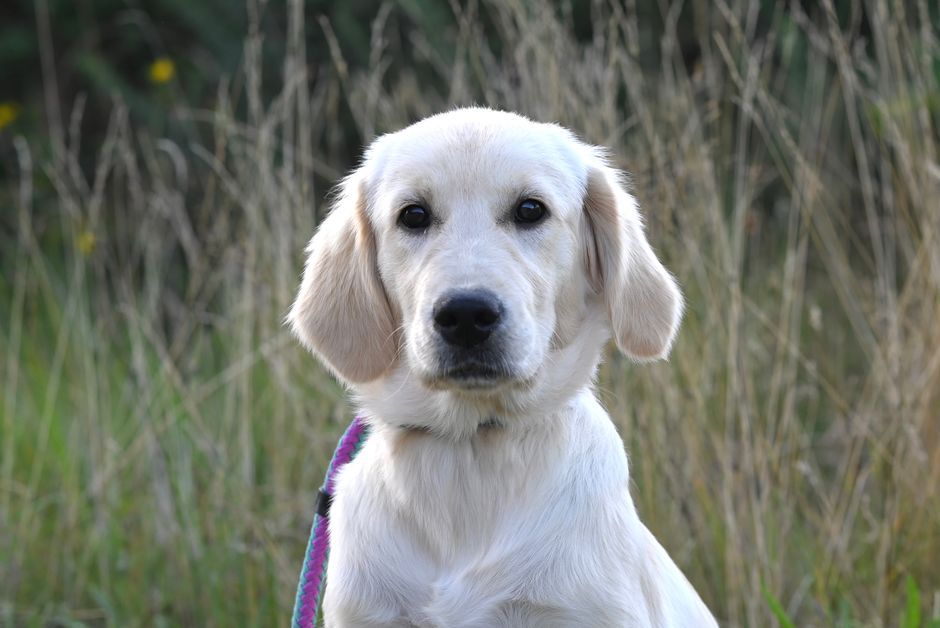
Golden Retriever training in Naples, FL with positive reinforcement: puppy basics, socialization, leash walking, recall, jumping, and training in the heat.
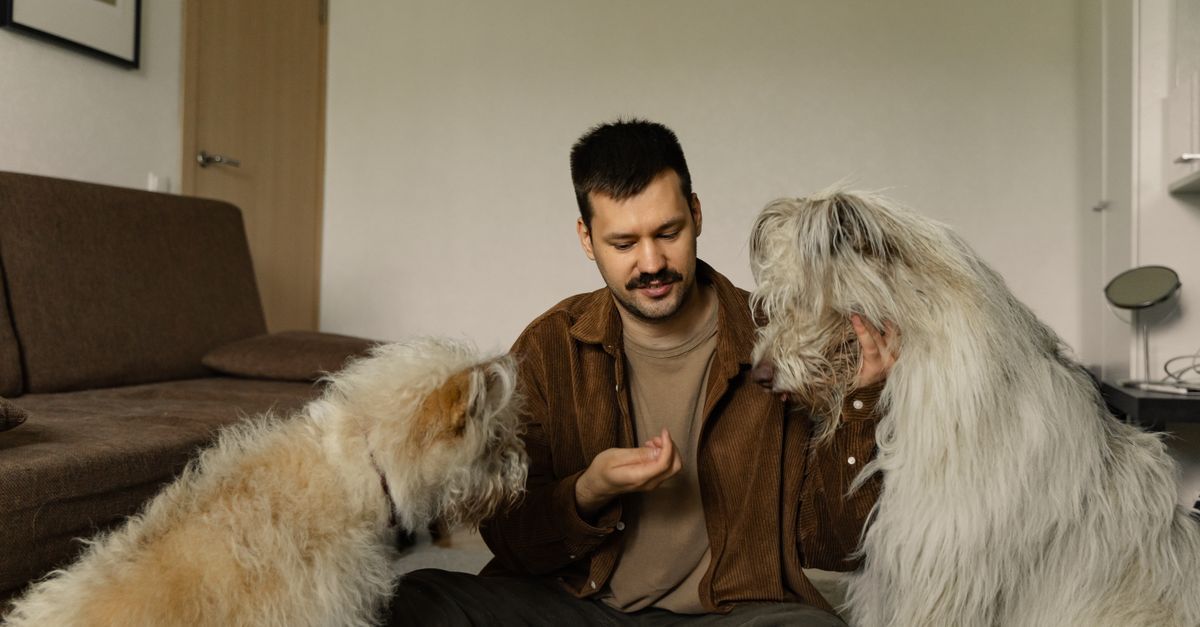
In-home dog training in Naples, FL for puppies, manners, leash pulling, reactivity & behavior concerns. Personalized, reward-based help. Call 239-293-8908.
Is your dog driving you nuts? Naples Dog Academy's in-home Behavior Breakthrough Sessions fix pulling, jumping, barking & reactivity. Call 239-293-8908.
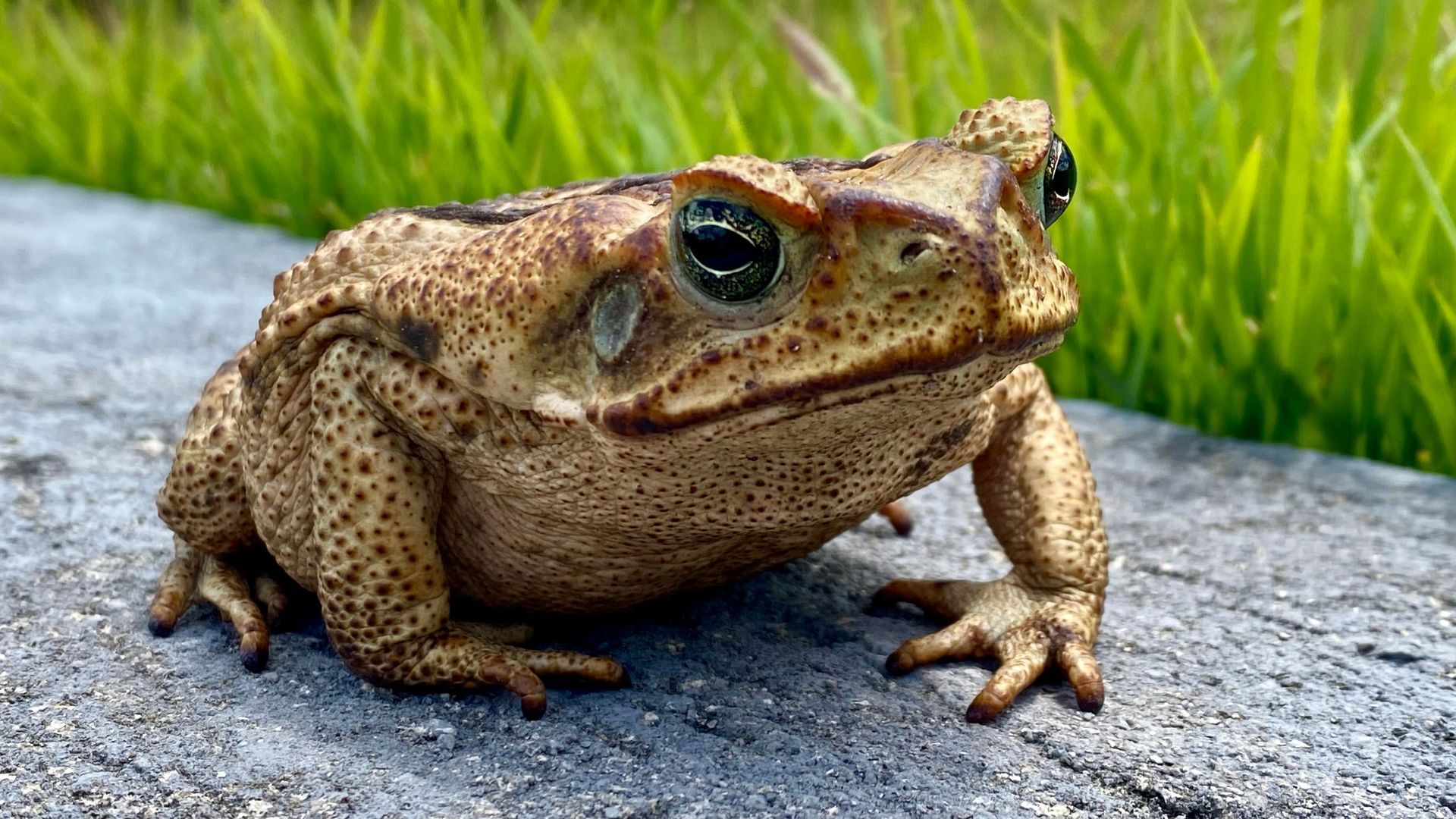
Protect your pets with essential info on cane toad danger to dogs in Naples, FL. Learn symptoms, treatment, and tips to keep your pets safe.
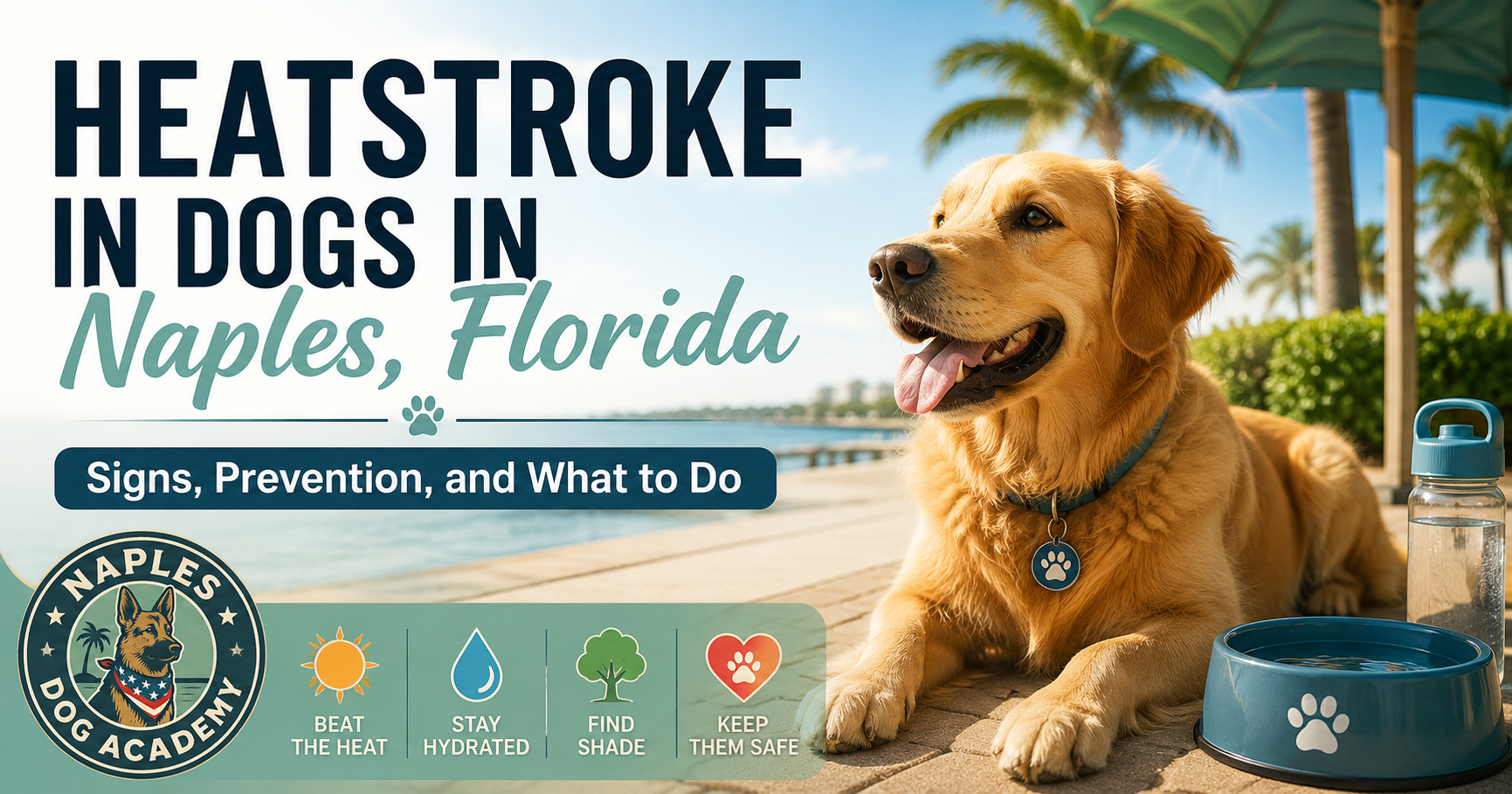
Naples, Florida's long hot season and high humidity create a predictable risk for canine heat illness. Dogs don't cool themselves the way humans do. They rely mainly on panting to evaporate moisture from the respiratory tract, plus limited heat loss through paw pads and skin. When humidity is high, evaporation becomes less effective. Add direct sun, hot pavement, warm sand, or exercise, and a dog's core temperature can rise quickly. Heatstroke is the most severe form of heat-related illness. It's a medical emergency that can cause organ damage (brain, kidneys, gastrointestinal tract, clotting system) and can become fatal without rapid cooling and veterinary care. This article focuses on dogs, with practical heat safety tips for Naples-area routines (walks, beaches, boating, yard time) and clear steps for what to do if you suspect heatstroke. Why Naples, FL Is a High-Risk Environment for Dogs Heat illness risk isn't just about the number on the thermometer. In coastal Southwest Florida, the combination of heat and humidity often produces a high heat index that reduces a dog's ability to shed heat. Common Naples-specific contributors include: High humidity that makes panting less efficient Radiant heat from intense sun exposure (especially midday) Conductive heat from asphalt, concrete, pavers, and beach sand that can be far hotter than the air Limited shade during beach days, outdoor dining, festivals, and boating Warm cars that heat rapidly even when just running in for a few minutes In practice, many dogs overheat during ordinary activities: a brisk walk at the wrong hour, a long game of fetch in the yard, or time spent waiting in a parking lot. Dogs Most at Risk for Heatstroke Any dog can develop heatstroke, but some are far more vulnerable. Higher-risk groups include: Brachycephalic breeds (Pugs, Bulldogs, French Bulldogs, Boston Terriers, Shih Tzus, Boxers). Their airway anatomy can make panting inefficient and can predispose them to respiratory distress in heat. Overweight dogs, because body fat acts as insulation and reduces heat tolerance. Senior dogs and very young puppies, who may regulate temperature less effectively. Dogs with heart, airway, or neurologic disease. Dark-coated dogs and dogs with thick coats (coat alone isn't the sole factor, but it can increase heat load in direct sun). Highly driven, anxious, or ball-obsessed dogs that will continue exercising past safe limits. Acclimation helps only modestly. A dog that lives in Naples year-round can still overheat quickly when conditions are oppressive or activity is intense. Heat Stress, Heat Exhaustion, and Heatstroke: What Owners Need to Know Owners often use terms like "heat exhaustion" loosely. The key point is that heat illness is a continuum. Mild heat stress can progress to heatstroke rapidly, particularly in high humidity or in dogs with airway compromise. If signs are more than mild, or if the dog doesn't improve quickly with rest and cooling, treat it as an emergency. Signs of Heatstroke in Dogs and Early Warning Signs The best outcomes come from catching problems early. Watch for changes in breathing, energy, and behavior. Common signs include: Heavy panting that is faster, louder, or more persistent than normal Increased breathing effort (abdominal push, noisy airway, open-mouth breathing that looks strained) Excess drooling or thick, ropey saliva Restlessness, anxiety, or inability to settle — or the opposite: sudden fatigue Weakness, stumbling, or collapse Vomiting and/or diarrhea (sometimes bloody in severe cases) Gum color changes: very red, pale, or grayish gums; or a tacky, dry mouth Altered mentation: confusion, disorientation, staring, or unresponsiveness Seizures in severe heatstroke If you have a rectal thermometer and your dog will tolerate it safely, a temperature of 104°F or higher should be treated as urgent. A temperature can also read lower if the dog has already cooled slightly — don't use temperature alone to decide whether veterinary care is needed. Common Naples Scenarios That Cause Heatstroke in Dogs Midday walks on pavement: hot surfaces add heat load and can burn paw pads. Beach days: sun, hot sand, reflected heat, and excitement often lead to longer exposure than planned. Boating: minimal shade, reflective surfaces, and limited access to cool-down breaks. Backyard play: dogs sprint in bursts and may not self-limit, especially during fetch. Cars: even brief time in a parked vehicle can be catastrophic. Heatstroke Prevention: Heat Illness Prevention You Can Actually Use For Naples dog owners, prevention is mostly scheduling, surface awareness, and having a cooling plan before you need it. 1) Time outdoor activity around the heat index Walk and exercise at sunrise and after sunset whenever possible. On humid days, assume your dog's tolerance is lower even if it's cloudy. Replace intense exercise with indoor enrichment: scent games, puzzle feeders, short training sessions. 2) Treat pavement and sand as heat sources Choose shaded routes, grass, or dirt trails rather than sun-baked sidewalks. Consider paw protection if your dog will tolerate it, but don't rely on booties to make unsafe conditions safe. 3) Build hydration into every outing Carry water and a collapsible bowl. Offer small drinks frequently. At home, keep multiple water stations, especially if your dog spends time in the yard. 4) Make shade and cooling non-negotiable Provide shade structures outdoors (canopy, umbrella, covered patio). Shade from a small tree may not be enough in full sun. Use cooling aids: cooling mat, damp towel on tile, kiddie pool for supervised cooling. Remember: fans alone may not be sufficient in extreme heat; air conditioning is more reliable. 5) Avoid the highest-risk choices entirely Never leave your dog in a parked car in Naples heat, even with windows cracked. Skip midday dog park visits in summer months. For brachycephalic dogs, keep outings short and calm — excitement can be as dangerous as exercise. 6) Know the "too hot" threshold for your dog Some dogs show subtle early signs: slowing down, seeking shade, lying in grass, refusing to continue. In Florida humidity, that's a signal to stop and cool down immediately, not to push through. A rectal temperature over 104°F is an emergency. Heat Safety Tips for Naples Walks and Beach Days Plan the outing backwards: decide your end time first, before your dog is tired. Bring shade (umbrella/canopy) rather than hoping you find it. Schedule cool-down breaks in AC (car with AC running, indoor stop, shaded area with airflow). Watch the breathing: persistent heavy panting or noisy breathing means the dog isn't cooling effectively. What to Do If You Think Your Dog Has Heatstroke If you suspect heatstroke, act fast. The goal is controlled cooling while you get to veterinary care. Don't wait to see if it passes. Step 1: Move to a cooler environment immediately Get into air conditioning if available. Move out of direct sun and create airflow. Step 2: Start active cooling (cool water + airflow) Wet the dog with cool (not ice-cold) water, focusing on the belly, groin, armpits, and paws. Use a fan or vehicle AC to increase evaporation. Replace wet towels frequently so they don't trap heat. Avoid forcing your dog into an ice bath or packing the body in ice unless a veterinarian specifically directs you. Overly aggressive cooling can constrict blood vessels and complicate temperature management. Controlled cooling and fast transport are the priority. Step 3: Offer small sips of water only if your dog is fully alert Let the dog drink small amounts if they can swallow normally. Don't force water, and don't give water if the dog is vomiting, collapsing, or not fully conscious. Step 4: Call a veterinarian and go now Call your primary veterinarian or a local emergency veterinarian and tell them you suspect heatstroke, then head in immediately. Continue cooling in the car with AC running and a damp towel over the belly/groin area if tolerated. Step 5 (optional): Use temperature to guide cooling if you can do it safely If you can take a rectal temperature quickly and safely, it can help you avoid overcooling. As a general rule, once temperature approaches about 103°F, active cooling is often tapered while the dog is transported for medical care. If taking a temperature delays transport or increases stress, skip it. Why Veterinary Evaluation Is Still Important After They Seem Better Heatstroke can cause delayed or hidden complications. A dog may pant less and appear improved after cooling but still have dehydration, electrolyte imbalance, kidney stress, gastrointestinal injury, or clotting abnormalities. Veterinary assessment and monitoring can be lifesaving, particularly if the episode involved collapse, vomiting/diarrhea, neurologic signs, or suspected car exposure. Quick Checklist: When to Treat It as an Emergency Immediately Collapse, weakness, or inability to stand Vomiting or diarrhea (especially repeated or bloody) Gums that are pale/gray, very red, or sticky and dry Noisy or labored breathing Confusion, unresponsiveness, or seizures Any suspected overheating in a brachycephalic dog Conclusion Heatstroke prevention in Florida is a daily practice in Naples: choose cooler hours, avoid hot surfaces, build hydration and shade into every plan, and stop activity at the first warning signs. If you suspect heatstroke, begin controlled cooling immediately and seek veterinary care without delay. In canine heat emergencies, minutes matter — always know the closest emergency vet or vet office relative to wherever you are with your dog. Thank you for reading, and we're always cheering you on!
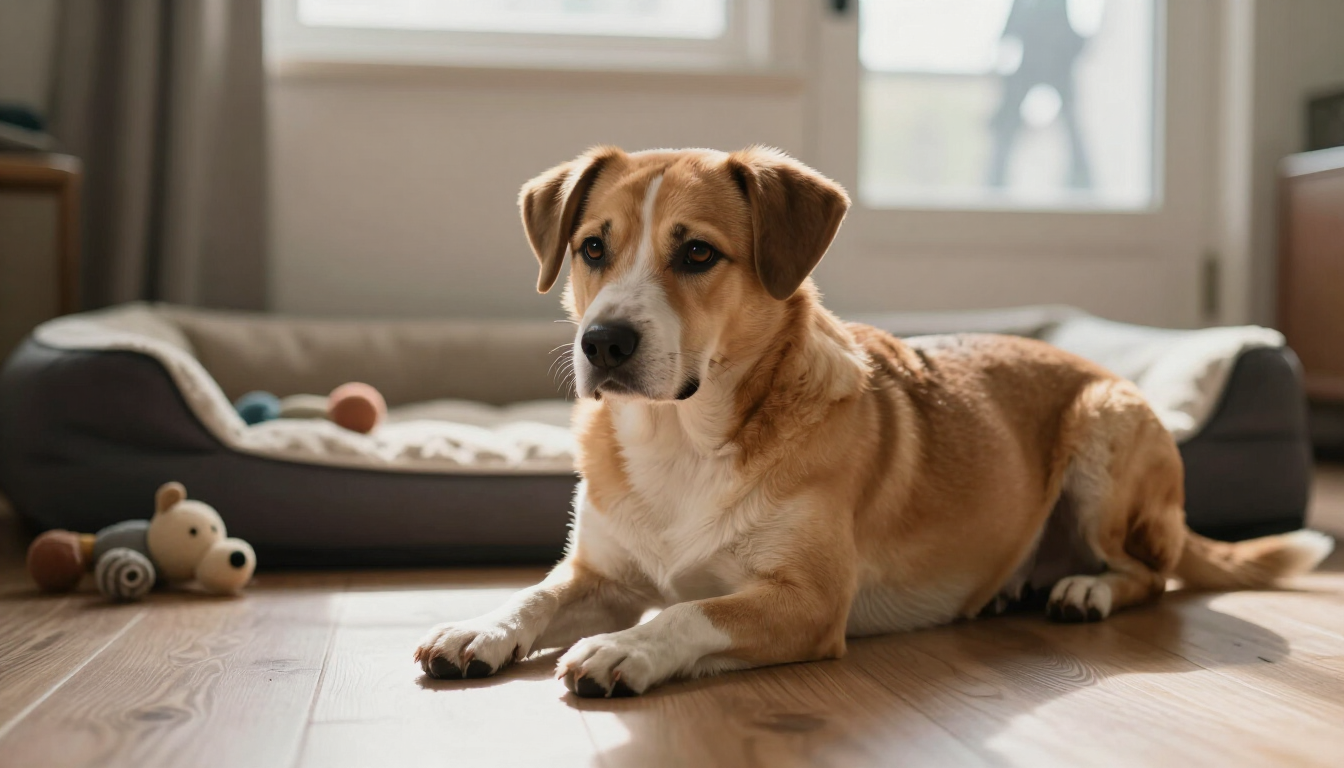
When you're raising a puppy, there can be a parade of behavioral issues that march through their—and your—life. Separation anxiety can be one of them. Understanding and recognizing separation anxiety in dogs will prepare you to do all you can to prevent the condition as well as to address it at the first signs. If you want local support, some owners find that separation anxiety training Naples providers can reinforce these skills through guided sessions. Although older dogs can develop separation anxiety, it often affects young dogs. So learn to prevent dog separation anxiety before it starts. In This Article What Is Separation Anxiety? Signs of Separation Anxiety Separation Anxiety vs. Normal Dog Behavior What Causes Separation Anxiety? Ways to Ease Separation Anxiety Preventing Separation Anxiety What Is Dog Separation Anxiety? Whether in a puppy or an adult dog, separation anxiety is when your dog exhibits extreme stress from the time you leave them alone until you return. The symptoms can vary, but they will act as if they are terrified to be in the house on their own. According to Patricia McConnell, Ph.D. a Certified Applied Animal Behaviorist, although we can't know for sure what's in a dog's mind, we can think of separation anxiety as the equivalent of a panic attack. Here's some good news: As a of a new puppy, I hope you're already building the groundwork for a well-mannered and happy dog. Puppy training, socialization, crate training, and teaching your puppy how to enjoy being alone all contribute. Therefore, many of the recommendations here are things you may already be doing or have already done. That said, separation anxiety does present some unique challenges. The Difference Between Separation Anxiety and Normal Canine Behavior Separation anxiety is a significant issue. It's not just the rare sad whine when you head out or the torn sock you find once you're back. Separation anxiety differs from boredom and isn't like minor mischief that dogs might do when left alone. Instead, it's caused by genuine stress. Before labeling destroyed cushions or potty accidents as separation anxiety, be sure it's not a case of inadequate training. Does your dog truly understand good manners, even when you're not watching them? Are they 100% potty trained? One of the best ways to see what's really going on in your absence is to get audio or video footage of your dog's behavior while you're away. What Are the Signs of Separation Anxiety in Dogs? Dogs can exhibit stress in many ways, so there is no one defining sign of separation anxiety. Instead, there are a variety of symptoms. One or two of them, especially if they only happen occasionally, may not be a sign of puppy separation anxiety. But if your puppy shows multiple symptoms on a regular basis, they may be suffering from separation anxiety. Stress is your dog’s physiological response to a situation that can be chronic or acute, not all stress is bad. Bad stress is chronic and changes the wiring of your dog’s brain. Here are some behaviors your dog may exhibit: Anxious behaviors like pacing, whining, or trembling while you're gone or as you prepare to leave Excessive barking, whining, or howling Actual escaping from home Destructive acts, such as chewing or digging, particularly around doors or windows Accidents in the house -- urinating or defecating Excessive salivation, drooling, or panting Desperate and prolonged attempts to escape confinement, potentially ending in serious injury According to research published in the Journal of Applied Animal Welfare Science , several of the above symptoms are also some of the most common reasons owners get rid of their dogs. This is particularly unfortunate as it's a problem that could be addressed with a few straightforward yet significant strategies. It is not so concrete on why some puppies are more prone to separation anxiety than others. Separation Anxiety Component McConnell suggests that various factors might cause separation anxiety, such as a pet never having been left alone before or experiencing a stressful separation, like what some abandoned shelter dogs might go through. Even a single traumatic event in the owner's absence, like the house being robbed, can lead to separation anxiety. Finally, she suggests that personality can play a role, with clingy dogs perhaps being more at risk than independent ones. There also can be a genetic component as well. Other triggers to watch for involve life changes like a sudden switch in schedule, a move to a new house, or the sudden absence of a family member, whether it's a divorce, a death in the family, or a child leaving for college. Some research has even pointed to a lack of daily exercise as a possible cause. Because there are so many potential triggers for separation anxiety, it's essential to work on prevention and start treatment at the first sign. What Can I Do About My Dog's Separation Anxiety? It's exhausting to come home to destruction and upsetting to see your puppy in such distress. It's even more devastating for your dog. Thankfully, there are several steps you can take to deal with separation anxiety. Some of the treatments are the same as the preventative measures and may already be part of your puppy's routine. But consider all of them as you tackle separation anxiety. Look at the following methods of treatment: Crate Training It bears repeating that a crate is your dog's friend and your ally. It's an important training tool and the solution for many puppy challenges. It isn't cruel or unhealthy if used appropriately. Instead, it can provide your pup with a safe, quiet place to relax. Relate the crate to their bedroom, where they should feel safe and comfortable. It is not cruel to use a crate, it is the opposite of cruel. To help them enjoy their crate time, it's important to link the crate with positive items like Check out some great tips on choosing the best toys for puppies at https://www.akc.org/expert-advice/puppy-information/best-puppy-toys/. You might also find some interesting options for purchase by visiting Some dogs feel safer and more comfortable in their crate when left alone. However, other dogs can panic. Watch your puppy's behavior to see if they settle right down or if the anxiety symptoms ramp up. Remember, the goal is not to crate your dog all day, every day as a solution to their separation anxiety. It's to keep them and your house safe while you teach them to enjoy being alone. Desensitization and Counter-Conditioning An important part of raising a mentally and physically healthy new puppy is teaching them to be comfortable in the world and to form positive associations with new experiences. That's equally true for time away from you. Teach your puppy that separation has its rewards. Start by leaving them for very short periods of time and gradually lengthen the amount of time you're gone. If your puppy is already conditioned to go into stress mode when they know you're leaving them, try countering that reaction by using a high-value treat they really love and that you only bring out for important lessons and rewards. If they get a special treat right before you leave, they might even begin to look forward to your departure. You can also make your departure routine less distressing by desensitizing your puppy to the signs you're about to go out. For example, pick up your keys or put on your coat, then go make dinner rather than heading to the car. Even better, toss your puppy a high-value treat right before you touch your keys or coat. In time, they will look forward to the signs you're about to leave rather than panicking. Exercise Exercise can't cure separation anxiety, but it certainly can help treat and prevent it. First, make sure your puppy gets plenty of age-appropriate and breed appp physical exercise. This is especially true for large, high-energy dogs with a lot of it to burn off. A tired, contented dog who's had a brisk walk and playtime with you is more likely to settle down when you leave. Second, don't neglect your puppy's mental muscles. Training sessions, puzzle toys, chew toys, and cognitive games are all good choices. A brain workout can be just as exhausting as a physical one: and lots of fun, too. Clinginess: Playing it Cool Don't encourage overly clingy behavior. Instead, develop independence by teaching your puppy to be on their own in another room, even when you're at home. Teaching a solid stay is another way to battle excessive attachment. Start with short lengths of time, and once your puppy can stay for several minutes, you can begin to leave the room. Eventually, you should be able to leave his sight while they stay for five or ten minutes. It's also important to play it cool when you leave or return to your home. You can greet your dog with love, but don't get over-the-top emotional. Keep things calm and without fanfare. If you get worked up, your dog will see your comings and goings as a major event to worry over. Plus, if you return home to damage or accidents, don't punish your dog. You will only add to their anxiety and worsen the problem. Medication and Natural Supplements Sometimes, training and counter-conditioning are not enough. Naples Dog Academy has worked with the Behaviorist Vets in Florida such as Dr. Radosta and Dr. Learn and can provide a referral to the Behaviorist team, these are special, vets trained for behavioral issues and there are not that many of them worldwide. Can Separation Anxiety Always Be Prevented? Separation anxiety in puppies and dogs isn't always preventable, despite your best efforts. And once separation anxiety has taken hold, it can be a complicated process to treat. Consider working with a Certified Applied Animal Behaviorist or a veterinary behaviorist to help smooth the process. If you're nearby, you can also explore dog training naples services that offer fearful dog training and behavior consulting tailored to anxiety issues. However, as serious as this condition may be, McConnell assures it has a high rate of treatment success. With patience and a positive attitude, you may be able to reduce your dog's suffering and put separation anxiety stress behind you. Q&A Question: What is dog separation anxiety, and how is it different from normal behavior? Short answer: Separation anxiety is extreme stress that starts when you leave and lasts until you return—think of it like a panic attack for dogs. It’s more than a sad whimper or a chewed sock from boredom. Before assuming separation anxiety, make sure basic training is solid (including potty training) and use audio or video to see what really happens when you’re gone. True separation anxiety reflects legitimate distress, not just mischief or lack of manners. Often, your dog is experiencing Isolation Distress which can lead to true Separation Anxiety. Question: What are the common signs of separation anxiety in dogs? Short answer: Signs vary and often appear in combination and repeatedly. Look for pacing, whining, or trembling; excessive barking or howling; destructive chewing or digging (especially near doors/windows); indoor urination or defecation; heavy drooling or panting; and frantic escape attempts that can cause injury. One isolated incident may not indicate separation anxiety, but multiple recurring symptoms likely do. Question: What can trigger separation anxiety? Short answer: Triggers can include never having been left alone, traumatic separations (such as abandonment), or a single scary event while you were away (like a break-in). Life changes—new schedules, moving to a different home, or the sudden absence of a family member (divorce, death, a child leaving for college)—can also spark it. Personality may matter too, with clingier dogs at higher risk, and some research points to insufficient daily exercise as a contributor. Question: How can I help prevent or treat my dog’s separation anxiety? Short answer: Crate training: Make the crate a safe, positive space with chew and puzzle toys; ensure it soothes rather than escalates anxiety, and don’t rely on all-day crating. Desensitization and counter-conditioning: Start with very brief absences and build gradually. Pair departures and pre-departure cues (keys, coat) with high-value treats so your dog forms positive associations. Exercise and enrichment : Provide age-appropriate physical activity plus mental workouts (training, puzzles, cognitive games) to help your dog settle. Build independence and keep comings/goings calm: Teach stays, encourage relaxing in another room, avoid big emotional greetings, and never punish accidents or damage. Monitor progress: Use audio/video to track behavior and adjust your plan. Question: Do I need professional help or medication, and can separation anxiety always be prevented? Short answer: Prevention isn’t guaranteed, and established separation anxiety can be complex, but outcomes are often very good with patience and positive training. Consider working with a Certified Applied Animal Behaviorist or a veterinary behaviorist; local services (for example, separation anxiety training Naples can offer targeted support. In some cases, vets may prescribe medications like amitriptyline or alprazolam; natural options such as CBD or valerian, pheromone collars/diffusers, and compression shirts may also help. Always consult your veterinarian—especially with young dogs—and use medication/supplements to support, not replace, training.
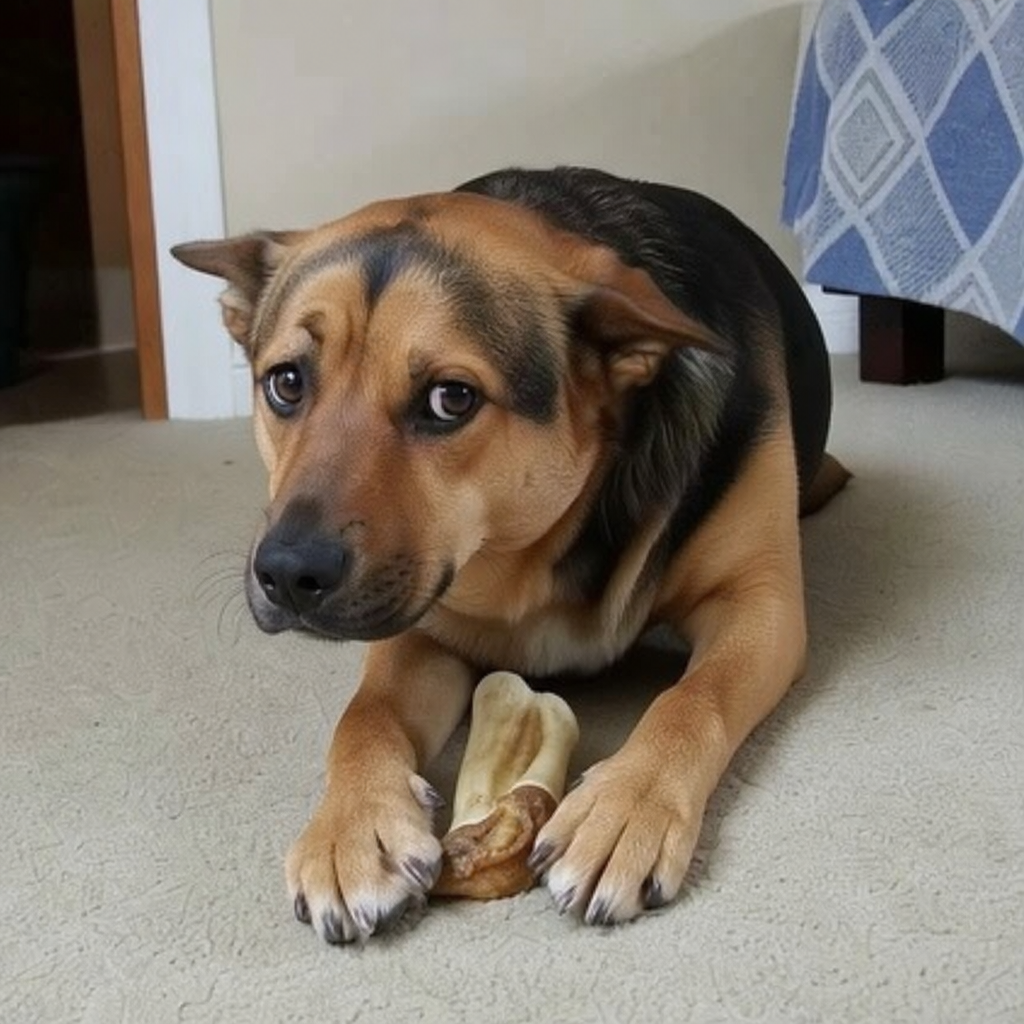
Learn why dogs resource guard and how Jean Donaldson’s Mine! protocol and positive reinforcement training can help. Naples, FL local guidance + FAQs.
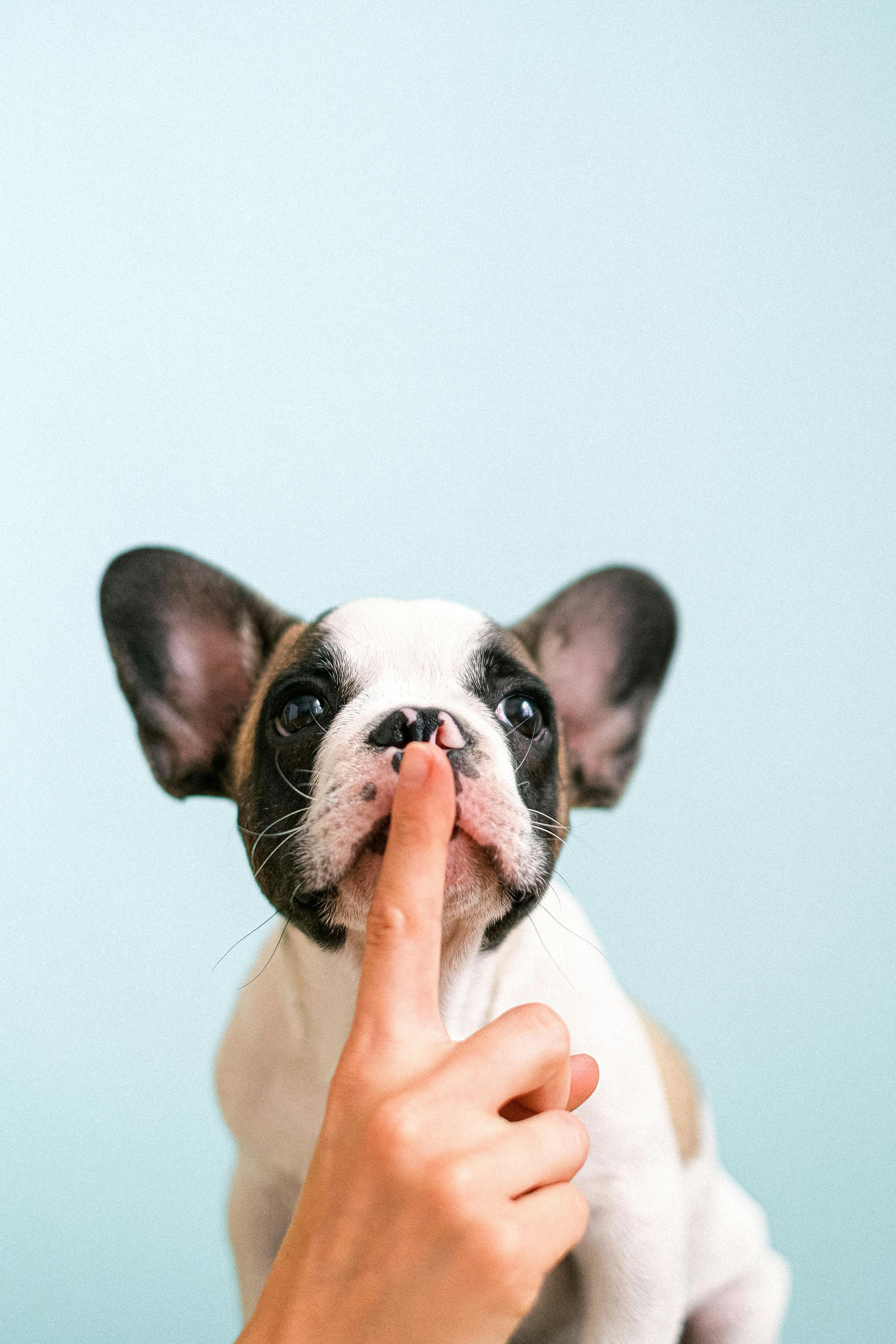
The Ultimate Guide to Stopping Puppy Biting for Dog Owners in Naples, FL. Bringing home a new puppy is an exciting moment, especially in a pet‑friendly community like Naples, FL . But along with the cuddles and playtime often comes one common challenge: puppy biting . While nipping is a normal part of puppy development, it can quickly become frustrating if not addressed early. This guide will help you understand why puppies bite and how to stop the behavior using gentle, effective training methods—perfect for families and dog owners throughout Naples. Why Puppies Bite in the First Place Puppies bite because: They explore the world with their mouths They’re teething and learning to use their jowls They’re learning boundaries They’re overstimulated or overtired They want attention or play In active areas like Naples—where puppies enjoy outdoor walks, beach outings, and social environments—excitement can sometimes increase mouthy behavior. The key is channeling that energy in the right direction. How to Stop Puppy Biting: Proven Techniques 1. Redirect to Appropriate Chew Items When your puppy starts biting your hands, clothes, or feet, immediately offer a chew toy. This teaches them what is acceptable to bite. 2. Reward Calm, Gentle Behavior Positive reinforcement is one of the most effective training methods. Praise your puppy or offer a small treat when they choose calm behavior instead of biting. 3. Teach Bite Inhibition If your puppy bites too hard, let out a gentle “ouch” and pause play for a moment. This mimics how puppies communicate with each other during playtime. 4. Avoid Rough Play Games like wrestling or overly physical play can encourage biting. Instead, choose activities such as: Fetch Tug with boundaries Puzzle toys Short training sessions 5. Provide Plenty of Exercise A tired puppy is a well‑behaved puppy. Naples offers great opportunities for safe outdoor activity: Early morning walks before the heat Shaded neighborhood strolls Dog‑friendly parks Indoor enrichment during hot afternoons 6. Use Time‑Outs When Needed If your puppy becomes overly mouthy, calmly remove them from the situation for a brief time. This teaches that biting ends fun. 7. Enroll in Puppy Training Classes Local puppy classes in Naples, FL can be incredibly helpful. Professional trainers can guide you through socialization, obedience, and bite‑prevention techniques. What NOT to Do Avoid: Yelling Hitting or tapping the nose Holding the mouth shut Punishing the puppy physically These methods can create fear, anxiety, or aggression. Gentle, consistent training is far more effective. Raising a Puppy in Naples, FL Naples’ warm climate and active lifestyle mean puppies often have more stimulation than in other areas. Socializing your puppy early with: Local parks Outdoor cafés Neighborhood walks Other friendly dogs …helps reduce anxiety and improves behavior. Frequently Asked Questions How long does puppy biting usually last? Most puppies begin to outgrow biting between 4-5 months, especially with consistent training. Is puppy biting normal? Yes — it’s a natural part of development. Training simply teaches them what’s appropriate. Should I punish my puppy for biting? No. Punishment can increase fear and aggression. Positive reinforcement works best. Does teething make biting worse? Yes. Teething peaks around 2-3 months, and puppies often bite more during this stage. When should I seek professional help? If biting is intense, persistent, drawing blood, or paired with growling, a Naples‑based trainer can help. Are puppy classes in Naples worth it? Absolutely. Early training and socialization dramatically reduce problem behaviors like biting.
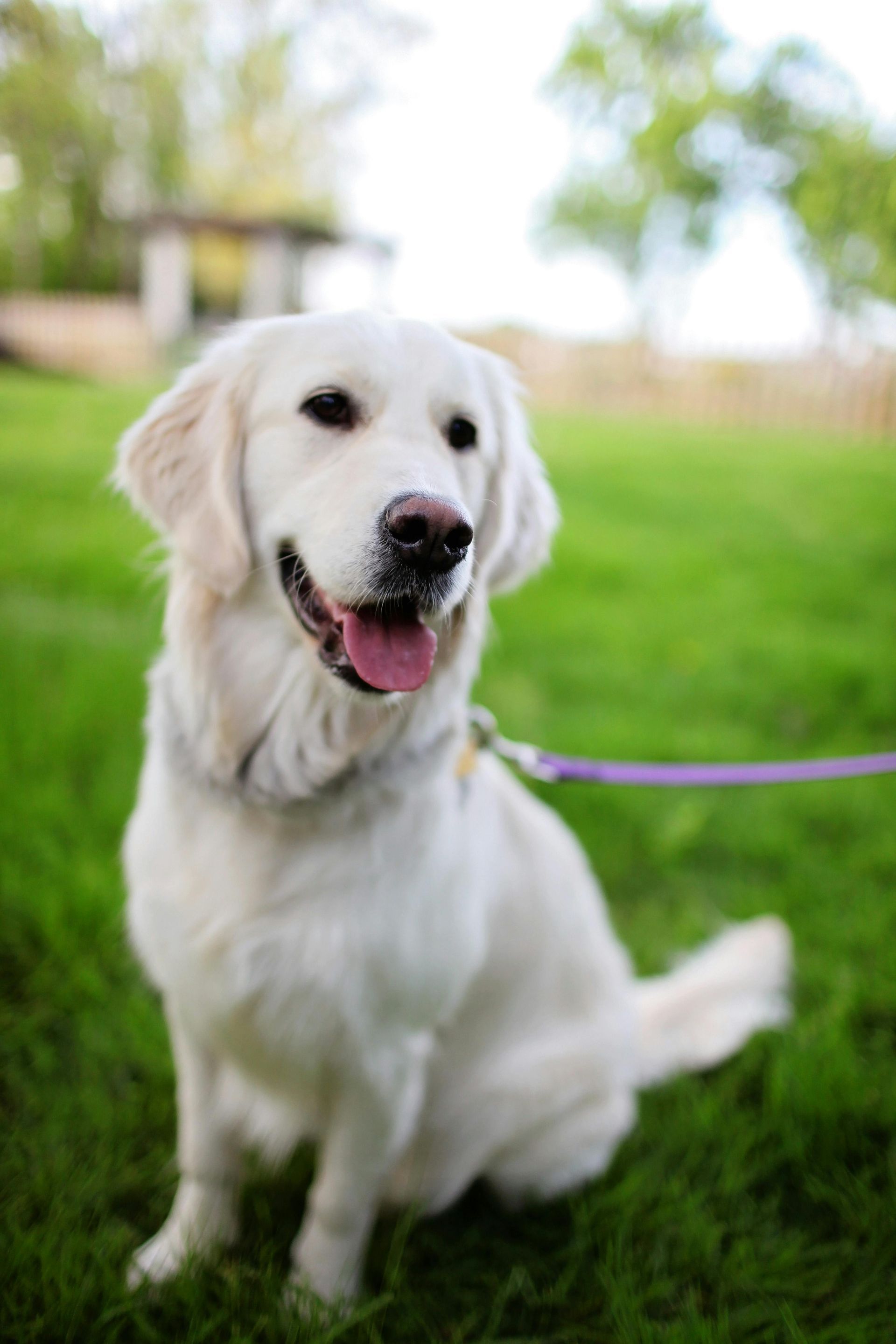
Leash pulling is one of the most common frustrations for dog owners. Whether you're walking through your Naples neighborhood or visiting a local park, a dog that drags you down the sidewalk can turn a peaceful walk into a battle. Fortunately, leash manners can be taught—and most dogs improve quickly with clear communication. Why Dogs Pull in the First Place Dogs naturally move faster than humans, and exciting smells or sights make the problem worse. Pulling can come from: Excess excitement Lack of structure Inconsistent training Overstimulation in new environments Leash training teaches your dog how to move with you, not ahead of you. What Good Leash Manners Look Like A dog with proper leash skills will: Walk beside you with slack in the leash Check in with you regularly Respond calmly to distractions Slow down or stop when you do These skills create safer, more enjoyable outings for both of you. How We Train Loose-Leash Walking Clear Expectations Your dog learns where to stay relative to your body. Rewarding Focus We reinforce moments when your dog pays attention to you. Gradual Exposure Simple environments first, followed by busy areas around Naples. Signs You May Need Professional Support If your dog lunges, barks, or becomes overly stimulated on walks, structured training can help reset patterns.
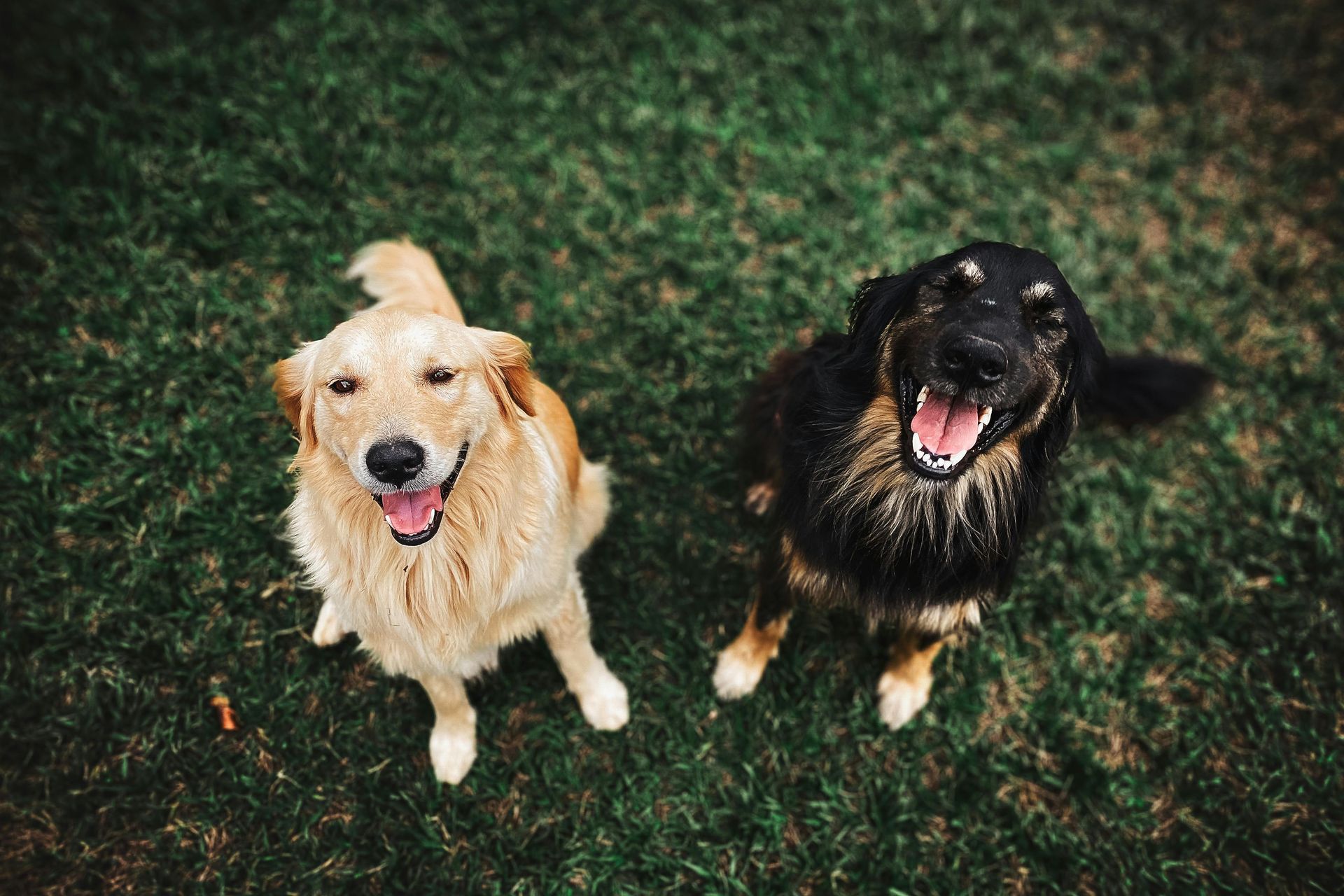
Positive reinforcement dog training is one of the most effective ways to improve leash walking and creates a strong bond with your dog. By rewarding good behavior, keeping training sessions short, and practicing calm walking skills, you can teach your dog to stay focused, walk politely, and trust you more every day. Training your dog is one of the best things you can do as a pet owner. It helps your dog learn good manners, keeps them safe, and makes your daily life easier. But more than anything, dog training helps you build a strong bond with your dog. When you train with patience and kindness, your dog learns to trust you. You also learn how to communicate in a way they understand. One of the most important skills a dog can learn is leash walking . A dog that pulls, lunges, or zigzags can make walks stressful. However, with some practice and dedication—especially one that incorporates positive reinforcement —your dog can learn to walk calmly by your side. This guide will show you how to train your dog, why positive reinforcement works so well, and how to turn leash walking into a peaceful, enjoyable activity. The bottom line, if your dog is a terrible walker, then the walks will get shorter and shorter then there will be no walks. Why Dog Training Matters Dog training is more than teaching tricks. It shapes your dog’s behavior, helps them understand boundaries, and gives them confidence. A trained dog is less likely to jump on guests, run into danger, or develop bad habits. Training also helps your dog feel secure. Dogs love routine and clear expectations. When they know what you want, they feel calmer and happier. Training also strengthens your relationship. When you spend time teaching your dog, you learn how they think. You start to notice their body language, energy levels, and what motivates them. This creates a strong bond that makes everything—from grooming to vet visits—much easier. Why Positive Reinforcement Works There are many ways to train a dog, but positive reinforcement is one of the most effective and humane methods. Positive reinforcement means rewarding your dog for doing something right. Instead of punishing mistakes, you focus on encouraging good behavior. Rewards can include: Kibble (they are eating it anyway) Praise Verbal feedback, you constantly tell him when he is wrong, but do not say anything when he’s good, use more positive verbal feedback. Toys, i.e., walking toys that are held at the wrist and have a ball at the end Treats. All dogs love treats, so get one that is a high reward to them and only use it for very difficult situations on the walk. Try not to use so many treats, or you will have a dog that will only work for a treat. This is more like a bribe. Verbal feedback constantly tells your dog when he’s good and when he’s not doing the right thing, so he knows. The Walk! Moving forward and walking outdoors is a huge reinforcement for a dog. Dogs repeat behaviors that get them something they like. If your dog sits and you give them a treat, they learn that sitting leads to good things. Over time, they start offering the behavior on their own. Positive reinforcement also strengthens the trust that you and your dog share. Your dog learns that you are safe, predictable, and kind. This trust becomes the foundation of your strong bond .