TOP PUPPY training IN NAPLES
Cultivate a Confident, Well-Mannered Puppy at Naples Dog Academy.
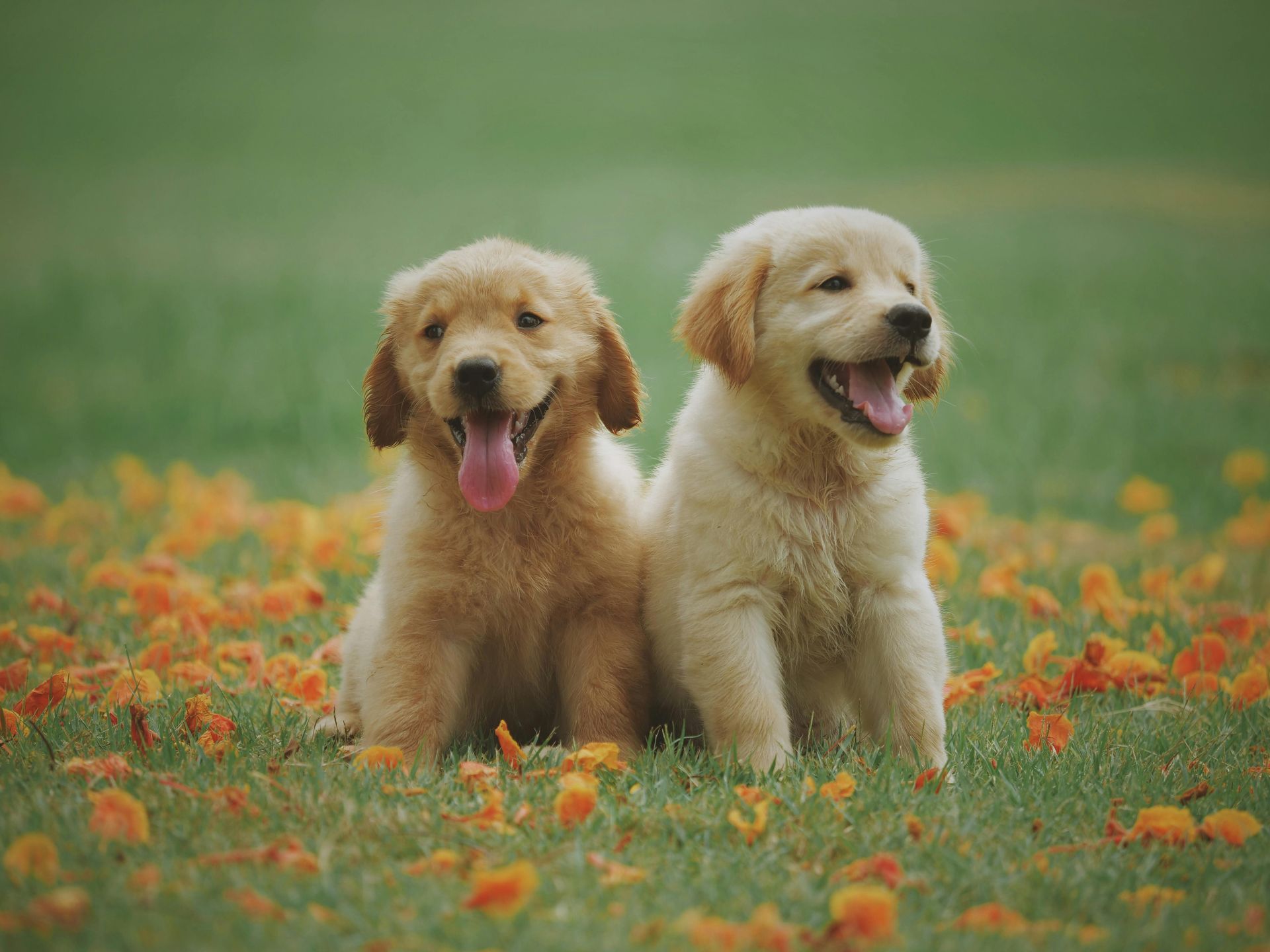
In-Home Puppy Training & Consultations
Welcoming a new puppy into your home is exciting—yet it’s also one of the most important windows for training. At Naples Dog Academy, we help Naples-area families give their puppies the right foundation: confidence, calmness, good manners, and strong communication skills that last a lifetime.
Our balanced, positive-reinforcement-based approach ensures that training is effective and fun for both you and your puppy.
Why Early Puppy Training Matters
Puppies learn rapidly between 8–20 weeks. The habits and behaviors formed during this period shape your dog’s lifelong temperament.
Early training helps your puppy:
Understand essential household rules
Develop confidence in new environments
Prevent future behavioral problems
Build safe social skills around people and dogs
Strengthen their bond with you
At Naples Dog Academy, we make this stage simple, structured, and stress-free.
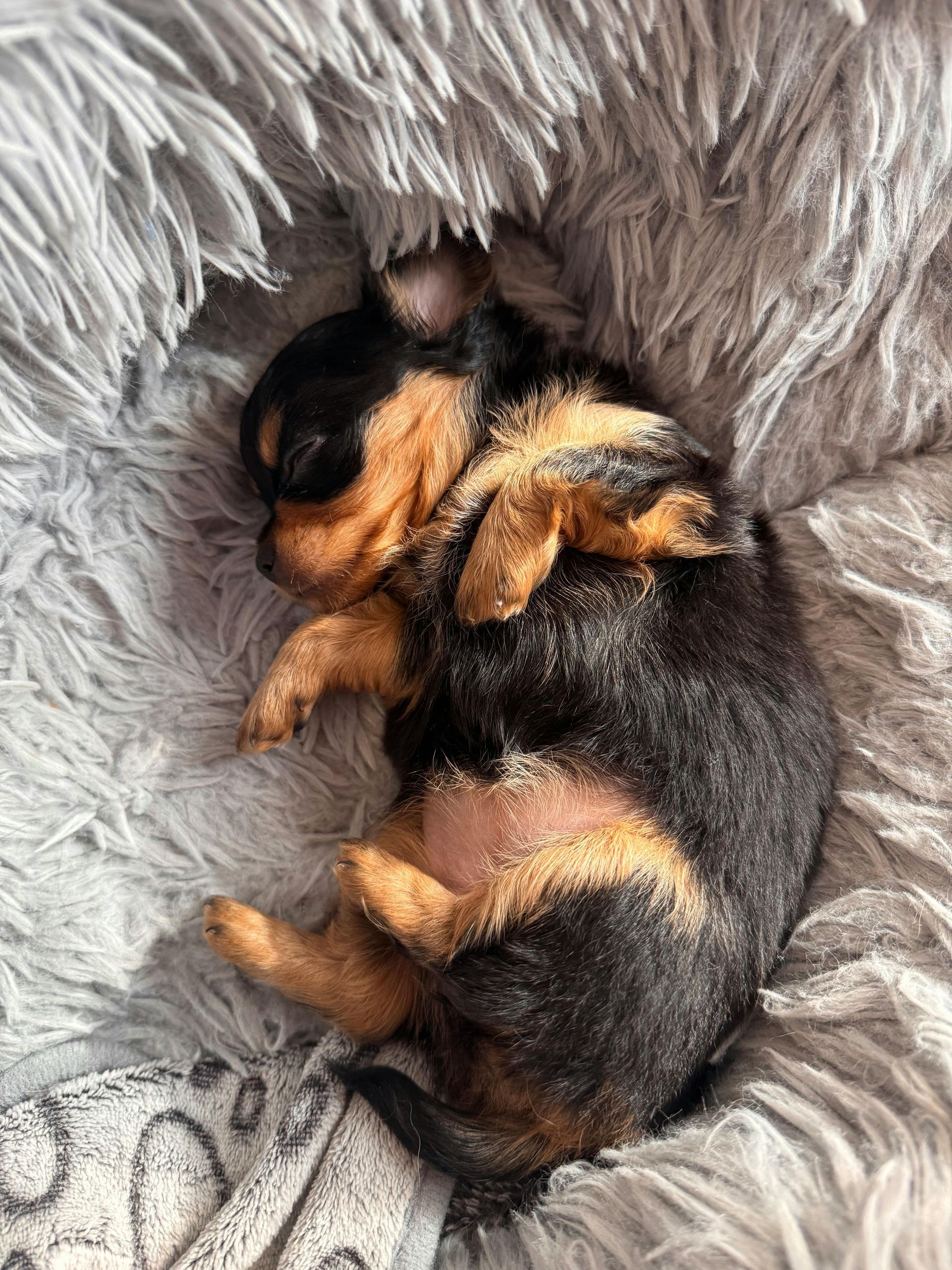
Our Puppy Training Programs
Whether you're dealing with puppy biting, crate struggles, or simply want a well-mannered dog, we offer programs tailored to your needs.
1. Puppy Foundations (8–20 Weeks)
A perfect start for young puppies learning the basics.
Includes:
Sit, down, place, come
Name recognition
Confidence-building
Gentle leash introduction
Reducing nipping and jumping
Proper socialization guidance
Calm-behavior exercises
2. House Manners & Daily Life Skills
Practical, real-world training that makes daily life easier.
We help with:
Crate training
Potty training routines
Preventing destructive behaviors
Greeting manners with visitors
Building impulse control
3. Leash & Outdoor Skills
For Naples families who want stress-free walks.
We focus on:
Loose-leash walking
Settling in public spaces
Environmental exposure
Reducing pulling and excitability
4. Custom Puppy Coaching
Every puppy is unique. We design a custom plan based on your dog’s age, breed, temperament, and goals.
Our Puppy Training Philosophy & Methodology
At Naples Dog Academy, we blend positive reinforcement with clear structure to create a healthy balance for a growing puppy.
We focus on:
- Encouraging calm behavior
- Building resilience
- Teaching boundaries with kindness
- Setting puppies up for long-term success
Our training is relationship-first—because great behavior grows out of trust.
What To Expect
When you choose Naples Dog Academy, you can expect:
- Clear communication and step-by-step guidance
- Training sessions that fit your lifestyle
- Practical lessons you can use every day
- Support between sessions
- A happier, calmer, more confident puppy
Most clients see noticeable improvements within the first few sessions.
Puppy Training FAQ — Naples Dog Academy
When should I start training my puppy?
Yesterday. Puppies begin learning the moment they come home. Early guidance prevents most future behavior issues and sets the foundation for a confident, well‑adjusted dog.
How long can my puppy focus during training?
Most puppies have very short attention spans — often just a few minutes. Training works best in short, fun sessions throughout the day rather than one long lesson.
Why is my puppy biting so much?
Puppy biting is 100% normal. Puppies explore the world with their mouths and use play‑biting to learn boundaries. With redirection, structure, and consistency, the behavior fades as they mature. It is important that your puppy plays with other puppies. Your puppy has left his mother and littermates and that is where he would learn bite inhibition. You are not a dog so it is hard for you to teach bite inhibition to your puppy. You can teach your puppy to use a gentle mouth but it is not the same. Puppy classes held with other puppies of similar age, energy and play style is vital to your puppy learning how to use their mouth and bite correctly. We recommend feeding your puppy all or most of their meals from a chew toy device like a Kong, West Paw or Orbee.
How do I stop my puppy from having accidents?
House training requires:
- A predictable routine
- Frequent potty breaks
- Supervision
- Crate training
- Rewarding success immediately
- Keeping daily journal of success and mistakes
Consistency is the key to fast progress.
Should I crate train my puppy?
Yes 100%— when done correctly, crate training helps with:
- House training
- Preventing destructive behavior
- Teaching calmness
- Creating a safe, cozy space
- Preventing isolation distress which can lead to separation anxiety
It’s not punishment; it’s a helpful life skill. Crate training is essential for potty training.
Why does my puppy cry in the crate?
Crying is usually due to:
- Adjustment to a new environment
- Separation discomfort
- Needing a potty break
- Too much energy before bedtime
With a routine and positive crate associations, crying decreases quickly.
How much exercise does my puppy need?
Puppies need short bursts of activity, mental enrichment, and plenty of rest. Over‑exercise can harm developing joints, so balance is important.
Why is my puppy afraid of new things?
Puppies go through normal fear periods. Gentle exposure, patience, and positive experiences help them build confidence without overwhelming them.
What should I do if my puppy won’t listen?
Puppies aren’t being stubborn — they’re learning. They may be:
- Distracted
- Tired
- Overstimulated
- Unsure what you’re asking
Clear communication and age‑appropriate expectations make a big difference.
Do puppies need socialization?
Yes — but quality matters more than quantity. Socialization means:
- Positive experiences
- Controlled exposure
- Building confidence
- Learning to feel safe in new environments
- New people, places and things
It’s not about meeting every dog or person — it’s about creating calm, positive associations.
How do I know if my puppy needs professional training?
If you’re feeling overwhelmed, unsure, or want to prevent future issues, professional guidance can make the process smoother and more enjoyable. Early support leads to long‑term success.
We would suggest puppy socialization for all new puppy owners. You may feel overwhelmed and we are here to help and support you on your journey.
-Naples Dog Academy
Serving Naples, Bonita Springs & Surrounding Areas
We work with families throughout:
- Naples
- Golden Gate
- North Naples
- Pelican Bay
- Marco Island
- Bonita Springs
Whether you’re raising your first puppy or adding a new dog to your home, our trainers are here to help.
Start Your Puppy’s Training Journey Today
A well-trained puppy grows into a well-behaved dog—and it all begins now.